
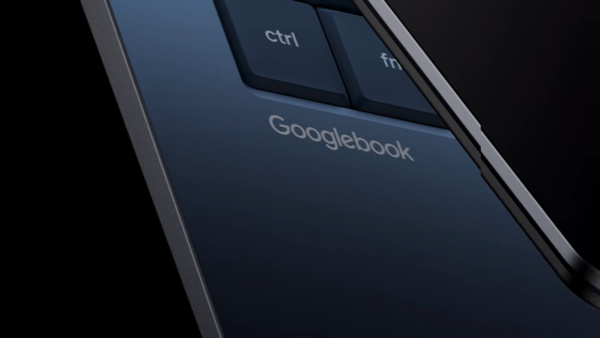
Google has unveiled a completely new computer category, named Googlebook.
According to the company, this is the most significant change in the laptop sector since the launch of Chromebooks over 15 years ago.
While Chromebooks were originally built around cloud services, Googlebook has been designed from the ground up with the company's Gemini AI at its core. Google describes the new device not as a traditional operating system, but as an "intelligence system".
Googlebook combines Android ecosystem applications and the familiar web browser from the ChromeOS world into a seamless whole.
AI is deeply integrated into the device's usage, and one of the most prominent innovations is the Magic Pointer feature. It brings Gemini AI directly to the mouse cursor: by waving the mouse, the user receives contextual suggestions about things visible on the screen.
For example, pointing to a date in an email allows for the creation of a calendar entry with a single click, and selecting two images enables the AI to instantly visualize them together.
Another key software innovation is "Create your Widget," which allows users to create customized widgets for their desktop using only text prompts.
Gemini can retrieve information from the web or combine data from Google's own applications, such as Gmail and Calendar, and compile them into a single view. For example, a user can ask the AI to gather travel plan details, hotel reservations, and a countdown into one widget on the desktop.
Integration with Android phones has been taken to a new level in Googlebooks. Users can open and use their phone's applications directly on the computer screen without interrupting their work. Additionally, the new Quick Access feature allows browsing, searching, and using phone files directly from the laptop's file manager without the need for separate file transfer.
In terms of hardware, Googlebooks are positioned in the premium category. Google is collaborating with leading manufacturers in the industry, such as Acer, ASUS, Dell, HP, and Lenovo, to ensure high quality and a diverse model selection.
A recognizable feature of the devices is the new "glowbar" light strip, which is both a stylish and functional part of the overall design.
The first Googlebook laptops will arrive on the market later this autumn.
While Chromebooks were originally built around cloud services, Googlebook has been designed from the ground up with the company's Gemini AI at its core. Google describes the new device not as a traditional operating system, but as an "intelligence system".
Googlebook combines Android ecosystem applications and the familiar web browser from the ChromeOS world into a seamless whole.
AI is deeply integrated into the device's usage, and one of the most prominent innovations is the Magic Pointer feature. It brings Gemini AI directly to the mouse cursor: by waving the mouse, the user receives contextual suggestions about things visible on the screen.
For example, pointing to a date in an email allows for the creation of a calendar entry with a single click, and selecting two images enables the AI to instantly visualize them together.
Another key software innovation is "Create your Widget," which allows users to create customized widgets for their desktop using only text prompts.
Gemini can retrieve information from the web or combine data from Google's own applications, such as Gmail and Calendar, and compile them into a single view. For example, a user can ask the AI to gather travel plan details, hotel reservations, and a countdown into one widget on the desktop.
Integration with Android phones has been taken to a new level in Googlebooks. Users can open and use their phone's applications directly on the computer screen without interrupting their work. Additionally, the new Quick Access feature allows browsing, searching, and using phone files directly from the laptop's file manager without the need for separate file transfer.
In terms of hardware, Googlebooks are positioned in the premium category. Google is collaborating with leading manufacturers in the industry, such as Acer, ASUS, Dell, HP, and Lenovo, to ensure high quality and a diverse model selection.
A recognizable feature of the devices is the new "glowbar" light strip, which is both a stylish and functional part of the overall design.
The first Googlebook laptops will arrive on the market later this autumn.